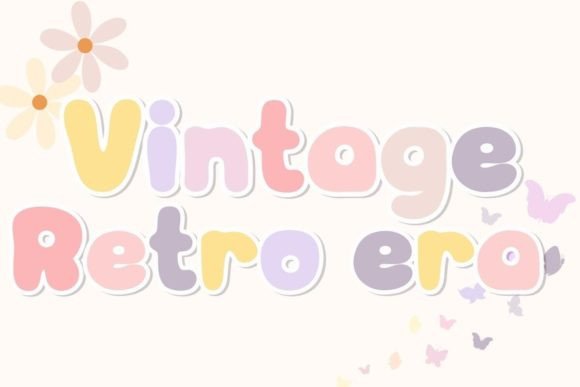
The Timeless Allure of the Vintage Retro Era: Where Classic Luxury Meets Modern Design
In the Vintage Retro Era, a realm of classic luxury unfolds, reminiscent of a bygone era, yet steadfastly unlost to time. This period is not merely a historical footnote; it is a living testament to an aesthetic that continues to influence our world today. Much like the elegant fonts it inspired, where every letter is a graceful embodiment of sophistication, this era transcends its historical roots to remain perpetually relevant. For general readers and design enthusiasts alike, understanding the nuances of this period offers a deeper appreciation for the art, culture, and technology that shape our modern lives.
Defining the Vintage Retro Landscape
To truly grasp the significance of the Vintage Retro Era, one must first distinguish between the terms often used interchangeably: "vintage" and "retro." While both evoke nostalgia, they carry distinct meanings. Vintage typically refers to items originating from a specific past period, usually at least 20 years old but less than 100. In contrast, retro describes a contemporary style that consciously imitates the trends of the past. The era we explore here bridges these concepts, representing a time when design was driven by optimism, craftsmanship, and a belief in a futuristic yet human-centric world.
This epoch, spanning roughly from the 1920s through the 1970s, was characterized by rapid technological advancement and social change. From the geometric precision of Art Deco to the organic curves of Mid-Century Modernism, the visual language of this time was bold and expressive. It was an age where functionality met flair, creating objects and environments that were not just useful but also deeply inspiring.
The Pillars of Classic Luxury
What makes this era synonymous with classic luxury? It lies in the attention to detail and the quality of materials. Unlike the mass-produced disposable culture of today, items from the Vintage Retro Era were built to last. Furniture was crafted from solid woods like teak and walnut; automobiles featured chrome accents and plush leather interiors; and typography was hand-lettered or cast in metal with meticulous care.
This commitment to quality created a sense of enduring value. A chair from the 1950s is not just a seat; it is a sculpture that has survived decades of use while retaining its beauty. This longevity is a key lesson for modern consumers and designers: true luxury is timeless because it is rooted in integrity and craftsmanship.
The Typography of Elegance
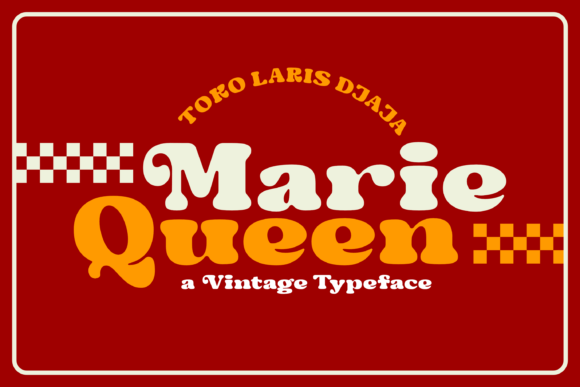
One cannot discuss the Vintage Retro Era without mentioning its profound impact on typography. The fonts born during this time are more than just tools for communication; they are artistic expressions of the cultural mood. Consider the sweeping scripts of the 1950s, which mirrored the fluidity of jazz music and the freedom of the open road. Or the bold, sans-serif typefaces of the 1960s, which reflected the space race and a desire for clarity and progress.
These typefaces remain popular today because they evoke a sense of trust and sophistication. When a brand uses a vintage-inspired font, it taps into a collective memory of reliability and charm. For beginners in graphic design, studying these fonts provides a masterclass in balance, kerning, and hierarchy. They teach us that every letter is a graceful embodiment of elegance, capable of conveying emotion before a single word is read.
- Art Deco Fonts: Characterized by geometric shapes and high contrast, perfect for luxury branding.
- Script Typefaces: Flowing and personal, often used in hospitality and wedding industries.
- Grotesque Sans-Serifs: Clean and functional, laying the groundwork for modern digital interfaces.
Relevance in Modern Life and Business
Why does the Vintage Retro Era matter in the 21st century? Its influence is ubiquitous, permeating various sectors from business marketing to interior design. In a digital world saturated with sleek, minimalist interfaces, retro aesthetics offer a warm, human counterpoint. Brands leverage this style to differentiate themselves, creating emotional connections with consumers who crave authenticity.
In the realm of technology, we see a fascinating blend of old and new. Modern apps often utilize "skeuomorphic" design elements—textures and shadows that mimic real-world objects from the retro era—to make digital experiences feel more tangible. Similarly, the resurgence of vinyl records and film photography demonstrates a desire for tactile experiences that digital media cannot replicate.
Practical Applications for Creatives
For artists, writers, and entrepreneurs, the Vintage Retro Era serves as an inexhaustible well of inspiration. Here are a few ways to integrate these principles into your work:
- Storytelling: Use the narrative arc of the past to frame modern products. Highlight the heritage and craftsmanship behind your offerings.
- Visual Identity: Incorporate retro color palettes, such as mustard yellow, avocado green, or burnt orange, to create a distinctive brand look.
- User Experience: Apply the principle of "form follows function" to ensure your designs are not only beautiful but also intuitive and accessible.
Clarifying Common Misunderstandings
A common misconception is that embracing the Vintage Retro Era means rejecting modernity. This is far from the truth. The essence of this style is not about living in the past but about curating the best elements of history to enhance the present. It is not about using outdated technology for the sake of it, but rather appreciating the design philosophies that made those technologies iconic.
Another assumption is that "retro" implies cheap imitation. However, true retro design respects the original context while adapting it for contemporary needs. It requires a deep understanding of history to execute well. Poorly done, it can feel kitschy or disjointed; done correctly, it feels seamless and sophisticated.
Building a Broader Understanding
To fully appreciate the Vintage Retro Era, one must view it as a continuum rather than a static period. It is a dialogue between generations, where the innovations of the past inform the creations of the future. By studying this era, we learn valuable lessons about sustainability, the importance of craft, and the power of aesthetic consistency.
In education, teaching students about this period helps them develop critical thinking skills regarding design evolution. In daily life, surrounding ourselves with well-designed objects from this era can elevate our mood and productivity. There is a psychological comfort in the familiar curves and warm tones of retro design, offering a sanctuary from the often chaotic pace of modern life.
The Future of Nostalgia
As we move further into the digital age, the appeal of the Vintage Retro Era is likely to grow. As artificial intelligence and virtual reality become more prevalent, the human desire for tangible, handcrafted, and historically grounded experiences will only intensify. The elegance of this bygone era provides a stabilizing anchor, reminding us that while technology changes, the fundamental human appreciation for beauty and quality remains constant.
Whether you are a designer seeking inspiration, a business owner looking to build a strong brand identity, or simply someone who appreciates the finer things in life, the Vintage Retro Era offers a wealth of knowledge. It invites us to slow down, observe the details, and recognize that true style transcends time. By embracing these timeless principles, we can create a modern world that is not only efficient but also deeply enriching and beautifully human.
In conclusion, the journey through the Vintage Retro Era is not just a trip down memory lane; it is a forward-looking exploration of what makes design endure. It teaches us that luxury is not defined by price, but by the thoughtfulness of creation. As we continue to innovate, let us carry forward the spirit of this era—where every line, curve, and letter is a tribute to an elegance that never fades.